
- Home
- Premium Memberships
- Lottery Results
- Forums
- Predictions
- Lottery Post Videos
- News
- Search Drawings
- Search Lottery Post
- Lottery Systems
- Lottery Charts
- Lottery Wheels
- Worldwide Jackpots
- Quick Picks
- On This Day in History
- Blogs
- Online Games
- Premium Features
- Contact Us
- Whitelist Lottery Post
- Rules
- Lottery Book Store
- Lottery Post Gift Shop


The time is now 9:23 pm
You last visited
July 22, 2026, 1:53 pm
All times shown are
Eastern Time (GMT-5:00)

Today In American History
Published:
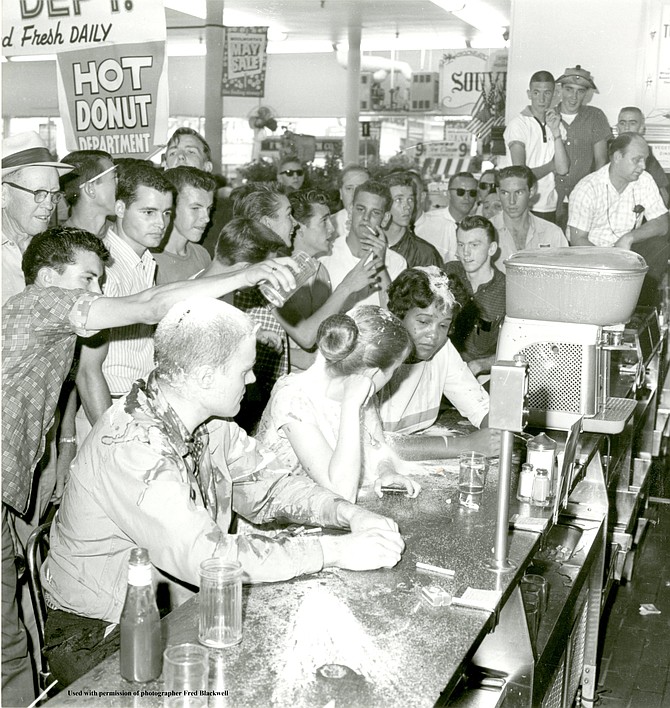
Woolworth sit-in, Jackson, MS. May 28, 1963
In sit-ins, protesters usually seat themselves at a strategic location (inside a restaurant, in a street to block it, in a government or corporate office, and so on). They remain until they are evicted, usually by force, or arrested, or until their requests have been met. Sit-ins have historically been a highly successful form of protest because they cause disruption that draws attention to the protest and by proxy the protesters' cause. They are a non-violent way to effectually shut down an area or business. The forced removal of protesters, and sometimes the use of violence against them, often arouses sympathy from the public, increasing the chances of the demonstrators reaching their audience.
Sit-ins were an integral part of the nonviolent strategy of civil disobedience and mass protests that eventually led to passage of the Civil Rights Act of 1964 which ended legally-sanctioned racial segregation in the United States and also passage of the Voting Rights Act of 1965 that struck down many racially-motivated barriers used to deny voting rights to non-whites.

Comments
This Blog entry currently has no comments.
Post a Comment
Please Log In
To use this feature you must be logged into your Lottery Post account.
Not a member yet?
If you don't yet have a Lottery Post account, it's simple and free to create one! Just tap the Register button and after a quick process you'll be part of our lottery community.
Register