
- Home
- Premium Memberships
- Lottery Results
- Forums
- Predictions
- Lottery Post Videos
- News
- Search Drawings
- Search Lottery Post
- Lottery Systems
- Lottery Charts
- Lottery Wheels
- Worldwide Jackpots
- Quick Picks
- On This Day in History
- Blogs
- Online Games
- Premium Features
- Contact Us
- Whitelist Lottery Post
- Rules
- Lottery Book Store
- Lottery Post Gift Shop
The time is now 5:02 pm
You last visited
July 22, 2026, 1:53 pm
All times shown are
Eastern Time (GMT-5:00)

Coronavirus Related Numbers. Post Yours. Stay Well! Be Healthy!Prev TopicNext Topic
-

-
these are the numbers that need a hit in va or other states too. 412 n 316 for the viruses here and every where are in u s a good luck to whom wins tonight or next time of the day .


-
I love strawberries kissed by the MOON and the SUN!

-
If you see this prepaid debit card in your mail, DO NOT TOSS IT! It is real and
yours. It is not a scam! Make sure that it has METABANK on it, with a letter from the
US Treasury. MONEY NETWORK CARDHOLDER SERVICES is providing the service.
The card looks like this below. The second wave of stimulus checks starts next week.
Adults will get $1200, married couples will get $2400, and children will get $1200.
A family can get up to $6000 per household. There may be income qualifiers, Don't hold
me to any of these details. Do your own research. I don't want you to throw away this
valid debit card by mistake. We no longer have choice in the method of receiving this
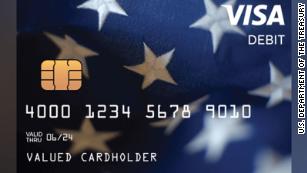
Easy numbers to play. 120/1200, 240/2400, 600/6000, Pair 00 Good Luck!
-
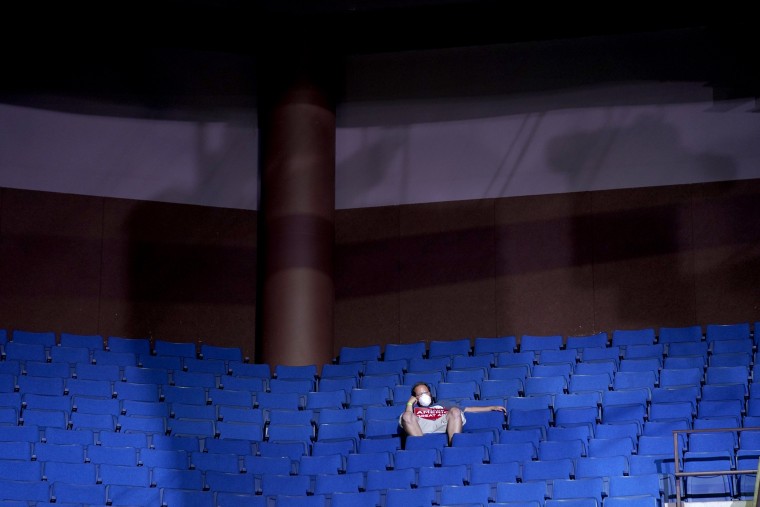
Play 6200, which is the # of attendees estimated by Tulsa FD.
Don't feel like wearing a mask or stay 6 feet apart? Go to a Trump rally.
Social distancing made easy.
-
-