JAP69's Blog

American Consumer Market Just Too Valuable – India Agrees to Align with Trump Tariff and Trade Terms

  •  

    American Consumer Market Just Too Valuable – India Agrees to Align with Trump Tariff and Trade Terms

    May 5, 2025 | Sundance | 48 Comments

    India was under pressure by both sides, the USA and China.  Part of the Trump Indo-pacific plan was a geopolitical trade strategy aligning the United States with India.  However, Beijing was pressuring India to reject alignment with the USA and form a mutually beneficial trade block with China.
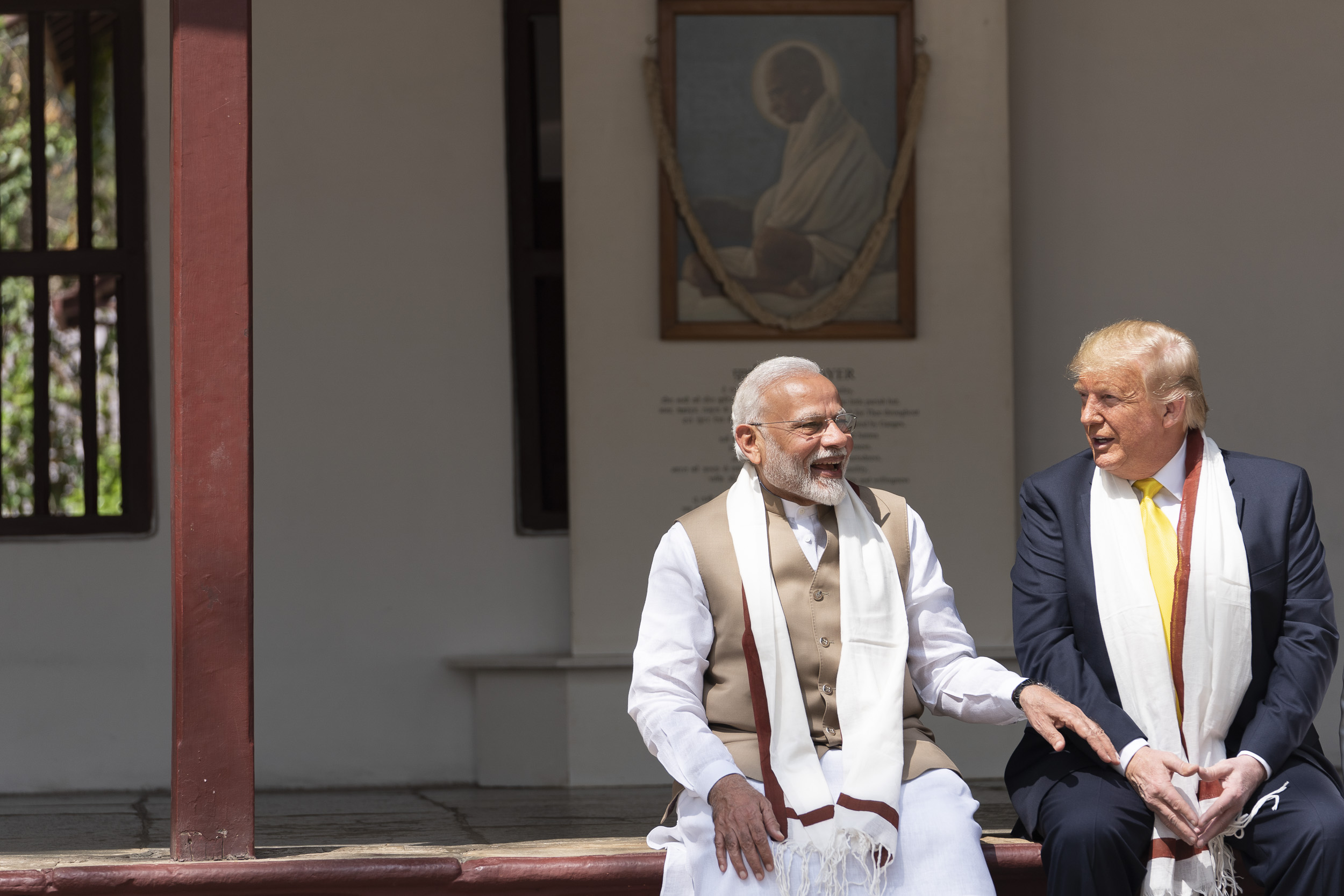
    India has rejected the Chinese plan and chosen to follow the USA model because access to the U.S. consumer base is the stronger economic influence.

    The result? Once again, sad Panda.

    INDIA – India has sided with the United States (US) President Donald Trump on the trade war with Xi Jinping of China. Reports indicate that Indian Prime Minister Narendra Modi is ready to accept all conditions of the US in a trade deal.

    Trump raised tariffs on most Chinese imports to 145%, citing the need to reduce the trade deficit and encourage domestic manufacturing.

    In retaliation, China has imposed 125% tariffs on US goods and implemented non-tariff barriers, including export controls on critical rare-earth elements.

    Indian Prime Minister Narendra Modi visited Trump in the White House in February 2025.

    After the meeting, the leaders announced they would pursue a “framework” for greater cooperation.

    “ Prime Minister Modi and I have agreed that we will be in negotiations to address the long-running disparities,” Trump said.

    “But really, we want a certain level of playing field, which we really think we’re entitled to.”

    On the other hand, Modi said India and the US will have a MEGA partnership for prosperity.

    He said India is working towards a Viksit Bharat, which in the American context translates into MIGA.

    “An excellent meeting with Trump at the White House. Our talks will add significant momentum to the India-USA friendship,” Modi said.

    […] Modi’s move is despite persuasion by Yu Jing, spokesperson for the Chinese embassy in India, for Modi to join forces with the Asian country.

    Jing said India and China should stand together against US tariff actions as the two largest developing nations. (more)

    Share
    more
Entry #5,541

Mercedes Will Make More Vehicles in USA

  •  

    German Automaker Smartly Shifts Business Plan in Response to Tariffs – Mercedes Will Make More Vehicles in USA

    May 5, 2025 | Sundance | 31 Comments

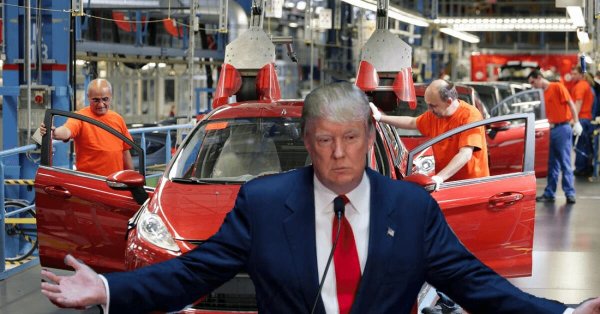
    In a decision to position for long-term tariff avoidance, Mercedes Benz will shift production of their GLC (compact SUV) to Tuscaloosa, Alabama, away from Bremen, Germany.

    Previously, the German automaker had shifted manufacturing of large SUV lines to the USA to avoid the pre-existing 25% ‘chicken tax.’  However, the smaller and less expensive crossover types were still made in Germany and shipped to the USA.  As the shipping vessels returned to Germany, they would take some of the SUV inventory back with them.  It was the most cost-effective solution, given the nature of the tariff situation.

    Now, with larger import tariffs against all vehicles, Mercedes has shifted their business model to essentially an outcome where all USA marketed/sold vehicles will be manufactured in the USA, and all EU marketed/sold vehicles will be manufactured in Germany.

    (Via Daily Mail) – Mercedes-Benz will shift production of one of its vehicles to Tuscaloosa, Alabama by 2027. The German luxury carmaker’s move is the latest response from an industry caught in the expensive crosshairs of President Donald Trump’s 25 percent tariffs.

    The decision marks a potential win for Trump’s protectionist trade agenda, which aims to boost US manufacturing by slapping steep tariffs on foreign-made goods.  But there are many complicating factors.

    The company didn’t say which model would move to America. Instead, it said the production of a ‘core segment vehicle’ will move stateside.

    Many experts predict the move will impact the production of the GLC, the company’s best-selling car in the US.

    The compact SUV is built in Bremen, Germany.

    Mercedes reported selling 64,163 units in the US in 2024, up 58 percent from the year before. (read more)

    On the other hand, BMW is still screwed because it made the prior decision to build all their new fancy auto plants in Mexico.

    Within the U.S. market, Mercedes Benz now has a strategic advantage over their German rival, BMW.
    Share
Entry #5,540

Happy Cinco de Mayo

  •  

    Happy Cinco de Mayo

    May 5, 2025 | Sundance | 38 Comments

    [BACKGROUND STORY]

    “In the November election, 7 in 10 Hispanic voters in Florida said they favored reducing the number of immigrants who were allowed to seek asylum in the U.S. when they arrived at the U.S. border, according to AP VoteCast. That was in line with Florida voters overall.

    In 2024, Trump won not just Miami-Dade County but the central Florida counties of Seminole and Osceola, where many Venezuelans have immigrated, and made inroads in heavily Puerto Rican areas of Pennsylvania. He also flipped several South Texas border counties that were Democratic bastions for decades.

    What initially catapulted Trump’s popularity in South Florida was his stance on the socialist governments that many exiles and their families fled, along with his focus on boosting growth and reducing prices. But at a rally in Miami days before announcing his third White House bid in November 2022, Trump said that, contrary to the belief of some, Hispanics liked his vows to crack down on illegal immigration.” (more)

    What happens to the wages of legal Latino Americans when the illegal Latinos are removed from the supply/demand labor equation?

    Share
Entry #5,539

Fox News Highlights DOGE Weekly Recap Meeting – Billions in Government Waste

Source:
https://theconservativetreehouse.com/blog/2025/05/02/fox-news-highlights-doge-weekly-recap-meeting-billions-in-government-waste/

Entry #5,538

April Jobs Report Reflects 177,000 New Jobs Beating Expectations, Federal Employment Drops 9,000

Source:
https://theconservativetreehouse.com/blog/2025/05/02/april-jobs-report-reflects-177000-new-jobs-beating-expectations-federal-employment-drops-9000/

  •  

    April Jobs Report Reflects 177,000 New Jobs Beating Expectations, Federal Employment Drops 9,000

    May 2, 2025 | Sundance | 3 Comments

    The Bureau of Labor and Statistics (BLS) has released the jobs and employment data for April [SEE HERE].  Within the data we see 177,000 jobs were gained, beating expectations of 133,000.   The unemployment rate remains unchanged at 4.2%.

    Federal government employment declined by 9,000 in April [BLS, Table B-1]  Health care added 51,000 jobs: consisting of hospitals (+22,000) and ambulatory health care services (+21,000). Transportation and warehousing increased by 29,000 jobs in April: with warehousing and storage (+10,000), couriers and messengers (+8,000), and air transportation (+3,000).


    (Via Wall Street Journal) – The U.S. economy continued to add jobs at a steady clip in April, although the pace of gains slowed slightly during a month that saw changing tariff announcements and market turmoil.

    The U.S. added 177,000 jobs in April, the Labor Department reported Friday, above the gain of 133,000 jobs economists polled by The Wall Street Journal had expected to see.

    The unemployment rate, which is based on a separate survey from the jobs figures, held steady at 4.2%.

    The jobs number was less than the 185,000 jobs added in March. The job gains for February and March were revised down by a combined 58,000 jobs.

    Federal-government layoffs were a drag on payrolls. Federal government employment declined by 9,000 in April.

    Stocks opened higher. All three major U.S. indexes were up 1% or more in early trading. (more)

    Share
Entry #5,537

Awesome News – GDP Growth at -0.3% in First Quarter, Despite Massive Import Purchase Increase of 41.

  •  

    Awesome News – GDP Growth at -0.3% in First Quarter, Despite Massive Import Purchase Increase of 41.3% to Avoid Tariffs

    April 30, 2025 | Sundance | 63 Comments

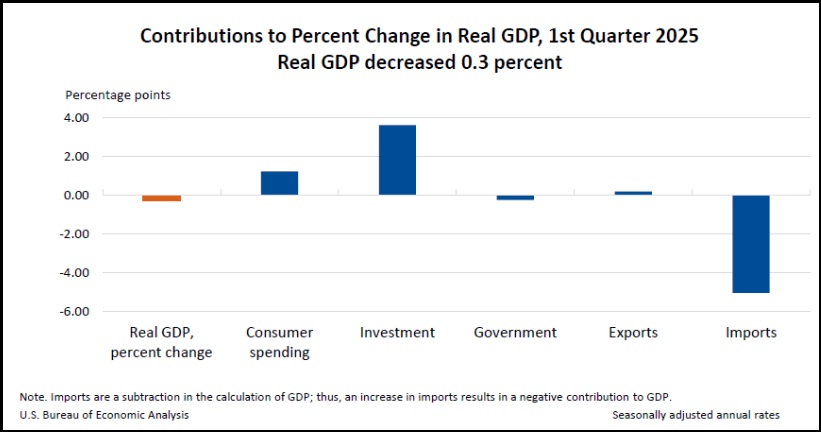
    The absolute key to the first quarter GDP result is to remember that ‘importsare a deduction in the economic equation of Gross Domestic Product.  The GDP is the valuation of all goods and services produced in the USA *minus* the value of imports.

    The Bureau of Economic Analysis (BEA) releases the results of the first quarter GDP.  The overall economic growth seems low at –0.3% until you look at how U.S. companies responded in February and March to the tariff announcement.

    Companies proactively purchased massive amounts of products in advance of the tariffs leading to an overall increase in imports of 41.3%.  Which results in a 5.3% deduction to GDP.  Every dollar of those imports is a deduction to the GDP equation, giving the false appearance of lower domestic production.

    There was a massive surge in import goods purchases of 50.9% versus the prior period [Table 1, line 20].  That’s the largest periodic increase in import purchases I have ever seen.  Simultaneously, fixed asset investment in equipment for domestic production surged 22.5% [Table 1, line 11].

    Put both of these metrics together and what you see are U.S. companies building consumer inventory from overseas (imports) while simultaneously preparing themselves to shift production into the USA.  The massive import purchases are a bridge to cover the time needed to shift the manufacturing from overseas to the USA.  This is exactly what we want to see.

    To give more detail to the economic shift, we turn to Table 2 and look at the contribution impact to the GDP equation.
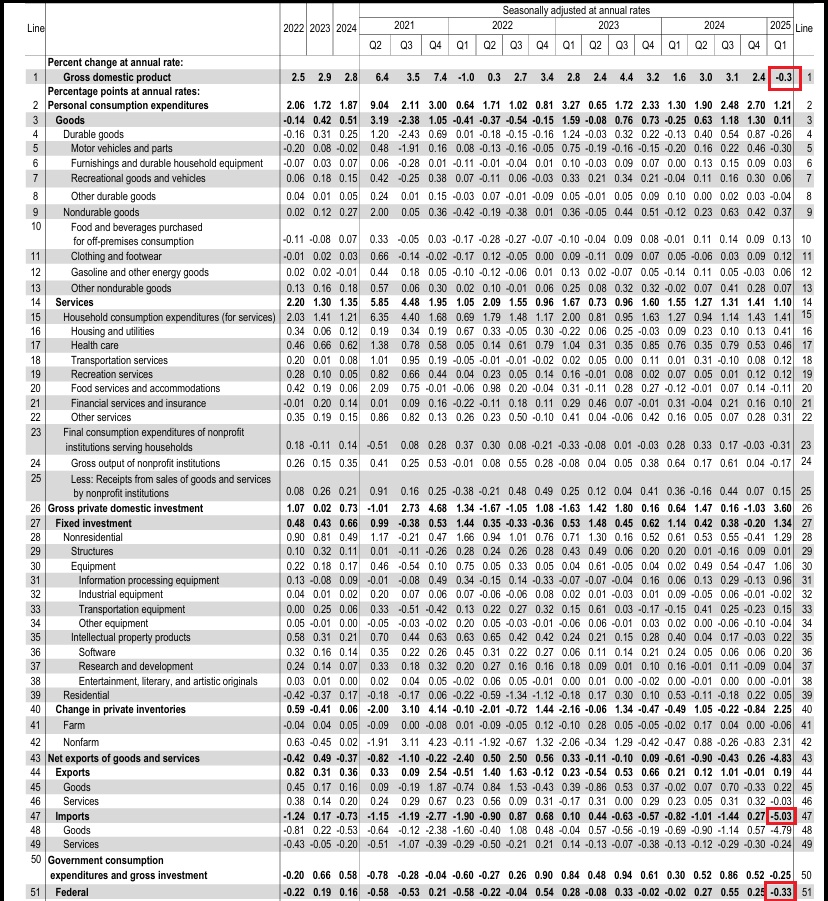
    Here we can see that imports surged and led to a 5.03% deduction to the GDP equation.  Meaning if all things were equal without the Q1 surge in import purchases the GDP would have been +5.0%.

    Meanwhile the impact of federal spending decreased 0.33% as President Trump makes the federal government smaller, and federal spending contribution less.  The federal government is getting smaller as a percentage of GDP.  Again, a very positive sign.

    Investment in the USA is high.  MAGA working.

    Imports are temporarily high, as companies prepare to purchase less from overseas.  MAGA working.

    Following the increase in U.S. investment and following the increase in equipment purchasing; we will see an increase in jobs as a result of hiring Americans to use the equipment and create the products.  If the workforce tightens up (illegal alien deportation continues) and unemployment lessens, then pressure is created on wage rates as companies compete for workers.  Main Street starts winning again.

    Attach welfare support to employment efforts and the dependency model shrinks.

    This is very good news all around.
    Share
Entry #5,536

BINGO – Longshoreman Union Announce Opposition to President Trump's Tariff Program

  •  

    BINGO – Longshoreman Union Announce Opposition to President Trump’s Tariff Program

    April 29, 2025 | Sundance | 92 Comments

    Last week CTH noted, “interested political followers in the USA should pay close attention to how the International Longshore and Warehouse Union (ILWA) respond to the corporate media narrative. …  Will the International Longshoremen’s Association stand with Trump, or will they drop support as the global trade reset emphasizes domestically manufactured jobs?  That will be an interesting aspect to watch because the dockworker union leadership will face massive pressure to comply with the anti-tariff narrative.”  (full article)

    Yesterday, we got the answer: “The International Longshore and Warehouse Union (ILWU) unequivocally condemns the recent tariffs that the Trump administration has imposed.”

    [SOURCE]

    All these moves are so transparently political, it almost makes you laugh.  However, that said, we are now in a better position to understand exactly how the Democrats and Deep State operatives will weaponize the supply chain along with their union orcs.

    In the next phase of the anti-Trump tariff agenda, approximately 3 months from now it will begin, we will see/hear a constant drumbeat of empty shelves, missing parts and missing products.  Whether factually true, or whether the shortages are an outcome of a strategy by the ILWA to assist the shortage narrative, the overall objective will be to blame President Trump for everything from shortages of medicine to shortages of parts to fix, repair or maintain consumer products.

    The process looming on the horizon is as predictable as Joe Biden and Pete Buttigieg moving the stalled container cargo ships beyond the horizon so that no one was able to take pictures of the mess they created in the ports.  Factually, the last thing the global shipping conglomerates want is for nations to be self-sufficient.

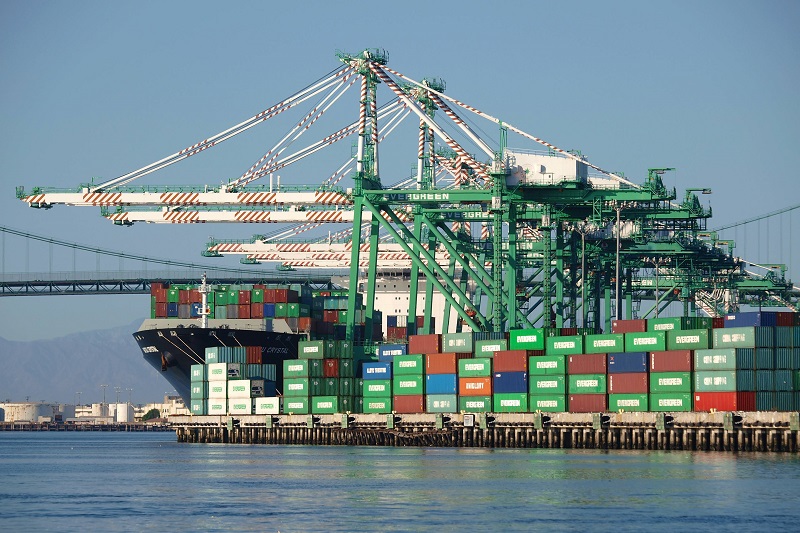
    Global supply chains are dependent on extreme ‘globalism’ and, well, ultimately, there are trillions at stake. Imagine the collapsed business models if nations were self-sufficient.  Heck, even a small drop in U.S. import purchases has the ripple effect of the shipping companies losing billions in revenue.

    Transportation Secretary Sean Duffy would be well advised to assemble a proactive ‘supply chain’ group right now to game out an offset strategy to what we can predictably see coming.
    Share
Entry #5,535

The Awakening – Look Carefully at This Picture

  •  

    The Awakening – Look Carefully at This Picture

    April 26, 2025 | Sundance | 284 Comments

    From the outset of the Ukraine -vs- Russia conflict I have been saying this is “world war Reddit”. CTH awakens today to this photo, blasting across the geopolitical landscape.

    I want you to look carefully at this picture; think about it and elevate yourself to understand exactly what this picture represents in the biggest framework of our ongoing discussion. The image origin:Photographs released by the Ukrainian presidency showed the two leaders huddled in close discussion without aides in the ornate surroundings of St. Peter’s Basilica.”

    This scene is purposefully staged.

    This scene is staged by the control agents who control the Ukraine conflict, the intelligence community.

    President Trump and First Lady Melania Trump attended the funeral of Pope Francis to pay their respects on the international stage.

    Let me be clear. The people around President Trump do not and did not align with this photo-op, it’s genuinely in poor taste and bad form given the nature of the background event, the funeral for Pope Francis.  However, fearless President Trump knows exactly what this represents just as businessman Donald Trump knows how the seating is arranged in high stakes business negotiations; the sun at the back of the person wanting to be in the power position.

    Again, we should stay elevated and see the bigger picture here because it is incredibly important.

    When it comes from CNN, it’s coming from the PR firm of the State Dept., and who controls the State Dept, the CIA.

    CNN: How the pope’s funeral format allowed for Trump-Zelensky talk

    The meeting occurred just outside the Baptistry Chapel, which is inside St. Peter’s Basilica near its entrance, and the talk hadn’t been telegraphed in advance.

    Ahead of the president’s brief visit to Rome, officials had downplayed the prospect he would meet with Zelensky or any other world leaders, pointing to the truncated time frame for the trip and its solemn purpose of memorializing the late pope.

    Trump had originally selected Saudi Arabia for his first stop abroad of his new term and will visit there next month. But when Francis died those plans changed, and instead Trump made his first foreign stop in Europe, a continent he’s railed against frequently.

    The seating chart and crush of fellow leaders made brief interactions possible, including with leaders Trump had seemingly been avoiding since taking office. He engaged briefly with European Commission President Ursula von der Leyen, with whom he hadn’t spoken at all since returning to office amid trade and defense disputes with the European Union. [SOURCE]

    President Trump, a man of respectful honor, indeed would expect to engage in polite and quiet conversation with Zelenskyy, Macron, Starmer et al, at the funeral.  Yes, he would quietly have a conversation in a private room with the principals to quickly discuss political affairs.  That’s his style. That’s the way he operates, retaining focus and respect toward the purpose of the gathering, holding quick conversation in private and retaining emphasis on the purpose.

    THIS IS NOT THAT.

    This is a stage set for the optics of a geopolitical conflict that involves Ukraine and Russia, and this stage is set up by the same controlling agents who have been in control of the events since the outset.  This stage is why CTH instinctively knew the conflict was World War Reddit.

    What are we seeing?

    The intelligence communities’ control western government.  The government does not control the intelligence communities.  This reality is the core of the great awakening that reconciles every facet of the conflict present and visible.

    When things do not make sense; when things are unnatural and fraught with irreconcilable datapoints stemming from traditional perspectives that no longer align with what is visible; that’s because the intelligence apparatus is in control of it.  Every example you can cite returns to this basic truth.

    All of the western government systems, the “new democracy” as it is called, stem from a radically different construct.  The intelligence services control the government; the government does not control the intelligence services.

    The conflict in Ukraine exists because western intelligence services are controlling it.  The reality is this “war” is not the Russian government -vs- the governments of various western nations in support of Ukraine.  The true conflict is the western intelligence community vs the Russian government.

    Vladimir Putin does not hate Americans.  The Russian President hates the CIA.

    When envoy Steve Witkoff is representing President Trump in his discussions with Vladimir Putin, Witkoff and Trump represent the government.  However, the government is not the real control agent and Putin together with Trump/Witkoff know this.

    Vladimir Putin and Donald J Trump are mutually aligned entities in a fight against western intelligence services.  That’s the core understanding that must be at the forefront of any review or intellectually honest analysis of what is taking place.

    The vulnerability within the position of the Western Intel Services, is that they must hide this reality.  The IC must retain the illusion that government is in control of geopolitical events, because if that control mask is dropped everything changes.  And I do mean EVERYTHING.

    Everything that was irreconcilable suddenly starts to make sense when you accept that government is not in control, the government does not have the power.  The intelligence services control government and the intel agencies are currently the source of geopolitical power.  The politicians are the illusion of representative democracy that must be retained.

    That’s what this image should represent to everyone!

    ….”Once you see the strings on the marionettes you can never return to that moment in the performance when you did not see them.”….

    ♦ If the United States President pulls all USA support away from Ukraine and instructs all elements of the USA government to withdraw support for the conflict, and yet the conflict continueswith ongoing CIA operations, then what does that say about who really is in control?

    Can you see the stakes at play for the CIA?

    ♦ When Marco Rubio says, repeatedly now, that “this is not our war” and “we didn’t start this war,” having previously asserted, “It’s been very clear from the beginning that President Trump views this as a protracted, stalemated conflict,” Rubio said. “And frankly, it’s a proxy war between nuclear powers, the United States helping Ukraine, and Russia,” is the former Chairman of the Senate Intelligence Committee being honest now, or is Secretary of State Rubio attempting to clean up the inconvenient truth he said originally?

    Can you see the stakes for the CIA?

    I digress…

    There are corporations and financial systems that intersect with the politicians; and those politicians are controlled by the Intelligence Community.

    That is the very essential baseline for The Great Awakening!!

    [ps. If you really wanted to join me in the rabbit hole; and knowing how important this moment is to the control agents; meaning how much they needed to get back control after Trump threatened to walk away from the conflict; then please accept I am 50/50 on how Pope Francis died. Was it really a natural death or was it the result of the IC needing a geopolitical event -like a funeral- to bring all of the principal actors together.]

    Share
Entry #5,533

Tonight is the 250-Year Anniversary of Paul Revere's Ride – Read His Personal Telling of The Story

  •  

    Tonight is the 250-Year Anniversary of Paul Revere’s Ride – Read His Personal Telling of The Story

    April 18, 2025 | Sundance | 9 Comments

    Two hundred fifty years ago tonight Paul Revere rode into history, intent on warning John Han<snip> and Sam Adams of the British intent to arrest them.

    Patriots’ Day, April 18/19 1775…

    A friend once asked: “How do you celebrate Patriots’ Day?” Which, perhaps, should spur me to share my own thoughts on this day of consequence.

    Many are familiar with the poem Paul Revere’s Ride, however, far fewer know that Paul Revere actually memorialized the events of the April 18 and 19, 1775, in an eight-page letter written several years later.

    Each Patriots’ Day I remind myself to read his letter from a copy handed down, and I think about how Paul Revere was really just a common man of otherwise undue significance…. yet, capable to the task at hand.

    To me everything about the heart of Revere, which you can identify within his own writing, is what defines an American ‘patriot’.

    There is no grand prose, there is no outlook of being a person of historical significance, there is just a simple recollection of his involvement, an ordinary man in extraordinary times.

    Unsure if anyone else would enjoy I have tracked down an on-line source for sharing and provide a transcript below (all misspelling is with the original).

    Paul Revere personally recounts his famous ride. – In this undated letter, Paul Revere summarizes the activities surrounding his famous ride on 18 April 1775. He recounts how Dr. Joseph Warren urged him to ride to Lexington to warn John Han<snip> and Samuel Adams of British troop movements. He arranged to signal the direction of the troops with lanterns from Old North Church, and then had friends row him across the Charles River borrowing a horse for his ride.

    Revere wrote this letter at the request of Jeremy Belknap, corresponding secretary of the Massachusetts Historical Society. Revere signed his name to the letter but then wrote above it, “A Son of Liberty of the year 1775”, and beside it, “do not print my name.” Nonetheless, the MHS included Revere’s name when it printed the letter in 1798.

    paul reverePaul revere letter 2

    EXPLORE THE DOCUMENT – Or Read the incredible transcript below:

    Dear Sir,

    Having a little leisure, I wish to fullfill my promise, of giving you some facts, and Anecdotes, prior to the Battle of Lexington, which I do not remember to have seen in any history of the American Revolution.

    In the year 1773 I was imployed by the Select men of the Town of Boston to carry the Account of the Destruction of the Tea to New-York; and afterwards, 1774, to Carry their dispatches to New-York and Philadelphia for Calling a Congress; and afterwards to Congress, several times.* [This asterisk points to a note in the left margin written by Jeremy Belknap: “Let the narrative begin here.” ]

    In the Fall of 1774 & Winter of 1775 I was one of upwards of thirty, cheifly mechanics, who formed our selves in to a Committee for the purpose of watching the Movements of the British Soldiers, and gaining every intelegence of the movements of the Tories.

    We held our meetings at the Green-Dragon Tavern. We were so carefull that our meetings should be kept Secret; that every time we met, every person swore upon the Bible, that they would not discover any of our transactions, But to Messrs. Han<snip>, Adams, Doctors Warren, Church, & one or two more.

    About November, when things began to grow Serious, a Gentleman who had Conections with the Tory party, but was a Whig at heart, aquainted me, that our meetings were discovered, & mentioned the identical words that were spoken among us the Night before. We did not then distrust Dr. Church, but supposed it must be some one among us.

    We removed to another place, which we thought was more secure: but here we found that all our transactions were communicated to Governor Gage. (This came to me through the then Secretary Flucker; He told it to the Gentleman mentioned above).

    It was then a common opinion, that there was a Traytor in the provincial Congress, & that Gage was posessed of all their Secrets. (Church was a member of that Congress for Boston.) In the Winter, towards the Spring, we frequently took Turns, two and two, to Watch the Soldiers, By patroling the Streets all night.

    The Saturday Night preceding the 19th of April, about 12 oClock at Night, the Boats belonging to the Transports were all launched, & carried under the Sterns of the Men of War. (They had been previously hauld up & repaired). We likewise found that the Grenadiers and light Infantry were all taken off duty.

    [Page 2]

    From these movements, we expected something serious was [to] be transacted. On Tuesday evening, the 18th, it was observed, that a number of Soldiers were marching towards the bottom of the Common.

    About 10 o’Clock, Dr. Warren Sent in great haste for me, and beged that I would imediately Set off for Lexington, where Messrs. Han<snip> & Adams were, and acquaint them of the Movement, and that it was thought they were the objets. When I got to Dr. Warren’s house, I found he had sent an express by land to Lexington – a Mr. Wm. Daws.

    The Sunday before, by desire of Dr. Warren, I had been to Lexington, to Mess. Han<snip> and Adams, who were at the Rev. Mr. Clark’s. I returned at Night thro Charlestown; there I agreed with a Col. Conant, & some other Gentlemen, in Charleston, that if the British went out by Water, we would shew two Lanthorns in the North Church Steeple; if by Land, one, as a Signal; for we were aprehensive it would be dificult to Cross the Charles River, or git over Boston neck.

    I left Dr. Warrens, called upon a friend, and desired him to make the Signals. I then went Home, took my Boots and Surtout, and went to the North part of the Town, where I had kept a Boat; two friends rowed me across Charles River, a little to the eastward where the Somerset Man of War lay.

    It was then young flood, the Ship was winding, & the moon was Rising. They landed me on Charlestown side. When I got into Town, I met Col. Conant, several others; they said they had seen our signals. I told them what was Acting, & went to git me a Horse; I got a Horse of Deacon Larkin.

    While the Horse was preparing, Richard Devens, Esq. who was one of the Committee of Safty, came to me, & told me, that he came down the Road from Lexington, after Sundown, that evening; that He met ten British Officers, all well mounted, & armed, going up the Road. I set off upon a very good Horse; it was then about 11 o’Clock, very pleasant. After I had passed Charlestown Neck, got nearly opposite where Mark was hung in chains, I saw two men on Horse back, under a Tree.

    When I got near them, I discovered they were British officer. One tryed to git a head of Me, & the other to take me. I turned my Horse very quick, & Galloped towards Charlestown neck, and then pushed for the Medford Road. The one who chased me, endeavoring to Cut me off, got into a Clay pond, near where the new Tavern is now built. I got clear of him,

    [Page 3]

    and went thro Medford, over the Bridge, & up to Menotomy. In Medford, I awaked the Captain of the Minute men; & after that, I alarmed almost every House, till I got to Lexington.

    I found Mrs. Messrs. Han<snip> & Adams at the Rev. Mr. Clark’s; I told them my errand, and inquired for Mr. Daws; they said he had not been there; I related the story of the two officers, & supposed that He must have been stopped, as he ought to have been there before me.

    After I had been there about half an Hour, Mr. Daws came; after we refreshid our selves, we and set off for Concord, to secure the Stores, & there. We were overtaken by a young Docter Prescot, whom we found to be a high Son of Liberty. I told them of the ten officers that Mr. Devens mett, and that it was probable we might be stoped before we got to Concord; for I supposed that after Night, they divided them selves, and that two of them had fixed themselves in such passages as were most likely to stop any intelegence going to Concord.

    I likewise mentioned, that we had better allarm all the Inhabitents till we got to Concord; the young Doctor much approved of it, and said, he would stop with either of us, for the people between that & Concord knew him, & would give the more credit to what we said.

    We had got nearly half way. Mr Daws & the Doctor stoped to allarm the people of a House: I was about one hundred Rod a head, when I saw two men, in nearly the same situation as those officer were, near Charlestown. I called for the Doctor & Daws to come up; were two & we would have them in an Instant I was surrounded by four; – they had placed themselves in a Straight Road, that inclined each way; they had taken down a pair of Barrs on the North side of the Road, & two of them were under a tree in the pasture. The Docter being foremost, he came up; and we tryed to git past them; but they being armed with pistols & swords, they forced us in to the pasture; -the Docter jumped his Horse over a low Stone wall, and got to Concord.

    [Page 4]

    I observed a Wood at a Small distance, & made for that. When I got there, out Started Six officers, on Horse back, and orderd me to dismount;-one of them, who appeared to have the command, examined me, where I came from, & what my Name Was? I told him. it was Revere, he asked if it was Paul? I told him yes He asked me if I was an express? I answered in the afirmative. He demanded what time I left Boston? I told him; and added, that their troops had catched aground in passing the River, and that There would be five hundred Americans there in a short time, for I had alarmed the Country all the way up.

    He imediately rode towards those who stoppd us, when all five of them came down upon a full gallop; one of them, whom I afterwards found to be Major Mitchel, of the 5th Regiment, Clapped his pistol to my head, called me by name, & told me he was going to ask me some questions, & if I did not give him true answers, he would blow my brains out.

    He then asked me similar questions to those above. He then orderd me to mount my Horse, after searching me for arms. He then orderd them to advance, & to lead me in front. When we got to the Road, they turned down towards Lexington. When we had got about one Mile, the Major Rode up to the officer that was leading me, & told him to give me to the Sergeant. As soon as he took me, the Major orderd him, if I attempted to run, or any body insulted them, to blow my brains out.

    We rode till we got near Lexington Meeting-house, when the Militia fired a Voley of Guns, which appeared to alarm them very much. The Major inquired of me how far it was to Cambridge, and if there were any other Road? After some consultation, the Major

    [Page 5]

    Major Rode up to the Sargent, & asked if his Horse was tired? He told answered him, he was – (He was a Sargent of Grenadiers, and had a small Horse) – then, said He, take that man’s Horse. I dismounted, & the Sargent mounted my Horse, when they all rode towards Lexington Meeting-House.

    I went across the Burying-ground, & some pastures, & came to the Revd. Mr. Clark’s House, where I found Messrs. Hancok & Adams. I told them of my treatment, & they concluded to go from that House to wards Woburn. I went with them, & a Mr. Lowell, who was a Clerk to Mr. Han<snip>.

    When we got to the House where they intended to stop, Mr. Lowell & I my self returned to Mr. Clark’s, to find what was going on. When we got there, an elderly man came in; he said he had just come from the Tavern, that a Man had come from Boston, who said there were no British troops coming. Mr. Lowell & myself went towards the Tavern, when we met a Man on a full gallop, who told us the Troops were coming up the Rocks.

    We afterwards met another, who said they were close by. Mr. Lowell asked me to go to the Tavern with him, to a git a Trunk of papers belonging to Mr. Han<snip>. We went up Chamber; & while we were giting the Trunk, we saw the British very near, upon a full March.

    We hurried to wards Mr. Clark’s House. In our way, we passed through the Militia. There were about 50. When we had got about 100 Yards from the meeting-House the British Troops appeard on both Sides of the Meeting-House. In their

    [Page 6]

    In their Front was an Officer on Horse back. They made a Short Halt; when I saw, & heard, a Gun fired, which appeared to be a Pistol. Then I could distinguish two Guns, & then a Continual roar of Musquetry; When we made off with the Trunk.

    As I have mentioned Dr. Church, perhaps it might not be disagreeable to mention some Matters of my own knowledge, respecting Him. He appeared to be a high son of Liberty. He frequented all the places where they met, Was incouraged by all the leaders of the Sons of Liberty, & it appeared he was respected by them, though I knew that Dr. Warren had not the greatest affection for him. He was esteemed a very capable writer, especially in verese; and as the Whig party needed every Strenght, they feared, as well as courted Him.

    Though it was known, that some of the Liberty Songs, which We composed, were parodized by him, in favor of the British, yet none dare charge him with it. I was a constant & critical observer of him, and I must say, that I never thought Him a man of Principle; and I doubted much in my own mind, wether He was a real Whig. I knew that He kept company with a Capt. Price, a half-pay British officer, & that He frequently dined with him, & Robinson, one of the Commissioners. I know that one of his intimate aquaintances asked him why he was so often with Robinson and Price? His answer was, that He kept Company with them on purpose to find out their plans.

    The day after the Battle of Lexington, I came across met him in Cambridge, when He shew me some blood on his stocking, which he said spirted on him from a Man who was killed near him, as he was urging the Militia on. I well remember, that I argued with my self, if a Man will risque his life in a Cause, he must be a Friend to that cause; & I never suspected him after, till He was charged with being a Traytor.

    [Page 7]

    The same day I met Dr. Warren. He was President of the Committee of Safety. He engaged me as a Messinger, to do the out of doors business for that committee; which gave me an opportunity of being frequently with them.

    The Friday evening after, about sun set, I was sitting with some, or near all that Committee, in their room, which was at Mr. Hastings’s House at Cambridge. Dr. Church, all at once, started up – Dr. Warren, said He, I am determined to go into Boston tomorrow – (it set them all a stairing) – Dr. Warren replyed, Are you serious, Dr. Church? they will Hang you if they catch you in Boston. He replyed, I am serious, and am determined to go at all adventures.

    After a considerable conversation, Dr. Warren said, If you are determined, let us make some business for you. They agreed that he should go to git medicine for their & our Wounded officers. He went the next morning; & I think he came back on Sunday
    evening.

    After He had told the Committee how things were, I took him a side, & inquired particularly how they treated him? he said, that as soon as he got to their lines on the Boston Neck, they made him a prisoner, & carried him to General Gage, where He
    was examined, & then He was sent to Gould’s Barracks, & was not suffered to go home but once.

    After He was taken up, for holding a Correspondence with the Brittish, I came a Cross Deacon Caleb Davis;-we entred into Conversation about Him;-He told me, that the morning Church went into Boston, He (Davis) received a Bilet for General Gage-(he then did not know that Church was in Town)-When he got to the General’s House, he was told, the General could not be spoke with, that He was in private with a Gentleman; that He waited near half an Hour,-When General Gage & Dr. Church came out of a Room, discoursing together, like

    [Page 8]

    like persons who had been long aquainted. He appeared to be quite surprized at seeing Deacon Davis there; that he (Church) went where he pleased, while in Boston, only a Major Caine, one of Gage’s Aids, went with him.

    I was told by another person whom I could depend upon, that he saw Church go in to General Gage’s House, at the above time; that He got out of the Chaise and went up the steps more like a Man that was aquainted, than a prisoner.

    Sometime after, perhaps a Year or two, I fell in company with a Gentleman who studied with Church -in discoursing about him, I related what I have mentioned above; He said, He did not doubt that He was in the Interest of the Brittish; & that it was He who informed Gen. Gage That he knew for Certain, that a Short time before the Battle of Lexington, (for He then lived with Him, & took Care of his Business & Books) He had no money by him, and was much drove for money; that all at once, He had several Hundred New Brittish Guineas; and that He thought at the time, where they came from.

    Thus, Sir, I have endeavoured to give you a Short detail of some matters, of which perhaps no person but my self have have documents, or knowledge. I have mentioned some names which you are aquainted with: I wish you would Ask them, if they can remember the Circumstances I alude to.

    I am, Sir, with every Sentment of esteem,

    Your Humble Servant,

    Paul Revere

    Courtesy of the Massachusetts Historical Society

    “The Battle of Lexington, 19 April 1775,” Oil on canvas by William Barns Wollen, 1910.

    Share
    more
    Subscribe


    9 Comments
    tax2much
    April 18, 2025 12:46 pm

    There were actually five riders we have to thank. Paul Revere, Samuel Prescott, Israel Bissell, William Dawes, and Sybil Ludington all made their rides.

    The last of the famous night riders was, surprisingly, a woman. Although she would not make her journey until April 26, 1777, her service to the American forces was remarkable. The daughter of Colonel Henry Ludington, Sybil, at the young age of sixteen, would make a journey double to that of Revere (totaling 40 miles) to warn the colonists at Danbury, Connecticut of the approach of the British.

    Commissioned by her father, who knew that Sybil was familiar with the terrain, the young girl set out at 9pm the night of April 26 through Kent to Farmers Mills and then returned back home again, damp from the rain and exhausted, just before dawn. The men she recruited were too late to save the town of Danbury, which had been set aflame by the British, but they were able to drive the enemy troops from the area.

    She was later commended by George Washington for her heroism. A statue of her was erected along her route in Carmel, New York, along with many other markers of her historic ride.

e

This post has been automatically changed by the Lottery Post computer system to remove inappropriate content and/or spam.

Entry #5,531

Brace Yourselves – Hermes Announces Price Increase Due to Trump Tariffs, $50,000 Handbags Now $55,00

I think my wife can forget about a new handbag for her birthday.
______________________________________________________________________________

  •  


    Brace Yourselves – Hermes Announces Price Increase Due to Trump Tariffs, $50,000 Handbags Now $55,000

    April 17, 2025 | Sundance | 211 Comments

    Folks, I know this is going to be hard, but we must remain steadfast in bearing the burden of new tariffs for our essential items.  Hermes has announced they will pass along the cost of President Trump’s tariffs to consumers.

    Currently, Hermes branded purses ranging from $20,000 to $200,000 are purchased by a whopping 0.001% of Americans, yet 90% of wives for Wall Street hedge fund managers have them.

    Yes, this is going to be a painful price increase; however, it is our patriotic duty to withstand it.  We can survive it.

    NEW YORK – […] The Paris-based company — which manufactures the vast majority of its goods in France — will raise prices enough to offset any hit to growth from the current 10% tariff on the European Union, according to Eric du Halgouet, Hermes’ executive vice president of finance.

    If Hermes adds the 10% tax, US shoppers could pay an additional $2,000 on a lower-cost model, or an extra $20,000 on a $200,000 handbag. (read more)

    If you have any tips or advice on how to deal with increased emotional anxiety as a result of this horrific announcement, please provide your words of wisdom in the comments section.  If we lean on each other for support, we can get through this.

    “Reciprocity! The nerve of that man.”


    Share
Entry #5,530

SC pick 4 [pair alert]

                                                            🧐   22 pair 🧐

Entry #5,529

DNI Tulsi Gabbard Joins the Tick Tock Club – Repeating the "Just Wait, Trust Us" Nonsense

  •  

    DNI Tulsi Gabbard Joins the Tick Tock Club – Repeating the “Just Wait, Trust Us” Nonsense

    April 10, 2025 | Sundance | 56 Comments

    The absolute #1 tell highlighting this as a nonsense exercise, a delay tactic on behalf of the swamp, is the venue for Tulsi Gabbard’s “new task force” announcement, Sean Hannity.

    In order to pass DC approvals for confirmation, Gabbard had to join the ‘FISA is awesome’ club.  Now, she aligns her DNI silo with the foolishness of the Sean Hannity ‘tick-tock’ club.  Sorry, but we’ve seen this performance so many times it is now blood boiling to watch them try and repeat it.

    DNI Gabbard claims she is creating a new “transparency task force” to analyze information for potential declassification and public release.  However, the task force will now have to “dig” until they have every document discovered, before they can release it, because releasing information as it is discovered is against the operational mission of the people who control the silo process.  But she swears, if you wait for it, it will come. “Trust the plan.”

    Oh, it’s so complicated.

    Oh, it’s so big and hard to do.

    Oh, the evidence is so hard to find.

    This is the same nonsense story from Bill Barr, John Durham, Michael Horowitz and the other previous members of the Sean Hannity ‘tick-tock club,’ including John Solomon (controlled releases) and other “conservatively aligned” tradecraft media.  Barr is now Bondi, Wray is now Kash, Durham is now Bongino, the audience is the same.  It’s nonsense.

    I’ve been on this trail for too long to keep buying this bull<snip> answer. It’s the same nonsense from Barr, Durham, Horowitz, now Kash, Bongino and Gabbard.

    If they find a document, declassify it and release it. If they find another, do it again.

    If someone refuses, call them out, call their office out, publicly and loudly. Shame them by name, title and position. It’s OUR STUFF.

    They don’t have to wait until the people who run the silo machines have convinced them they have it all. Release it as it is revealed.

    Sorry, I truly wanted to hold out hope in Gabbard Inc., but my trust account is empty. Release what you discover, as you discover it.

    They won’t. They just won’t.  We will be sitting here in the lead up to the 2026 midterms, hoping… Yet again.

    Share


This post has been automatically changed by the Lottery Post computer system to remove inappropriate content and/or spam.

Entry #5,528

This & That [civil unrest, a part of US history]

From Wikipedia, the free encyclopedia
This article is about incidents of civil unrest, rioting, violent labor disputes, or minor insurrections or revolts in the United States. For incidents occurring before the Declaration of Independence, see List of incidents of civil unrest in Colonial North America.
   
This article needs to be updated. Please help update this article to reflect recent events or newly available information. (January 2025)

Listed are major episodes of civil unrest in the United States. This list does not include the numerous incidents of destruction and violence associated with various sporting events.[1]
   
This list is incomplete; you can help by adding missing items. (October 2018)
18th century

    1783 – Pennsylvania Mutiny of 1783, June 20. Anti-government protest by soldiers of the Continental Army against the Congress of the Confederation, Philadelphia, Pennsylvania
    1786 – Shays's Rebellion, August 29, 1786 – February 3, 1787, Western Massachusetts
    1786 – Paper Money Riot, September 20, Exeter, New Hampshire
    1788 – Doctors Mob Riot, New York City
    1791–1794 – Whiskey Rebellion, Western Pennsylvania (anti-excise tax on whiskey)
    1799 – Fries's Rebellion, 1799–1800, Tax revolt by Pennsylvania Dutch farmers, Pennsylvania

19th century
1800–1849

    1811 - 1811 German Coast uprising, slave revolt in the Territory of Orleans
    1812 – Baltimore riots, these took place shortly before the War of 1812
    1824 – Hard Scrabble and Snow Town Riots, 1824 & 1831 respectively, Providence, RI (race riots)
    1829 – Cincinnati riots of 1829, August 15–22, Cincinnati, Ohio; race riots triggered by labor competition between Irish immigrants and southern black migrants
    1831 – Nat Turner's Rebellion, August 21–23, Southampton County, Virginia
    1834 – Anti-abolitionist riot, New York City
    1834 – Philadelphia race riot, August 12– 14
    1834 – Attack on Canterbury Female Boarding School, Canterbury, Connecticut, one of the first schools for African American girls
    1835 – Baltimore bank riot, August 6–9
    1835 – Gentleman's Riot, numerous riots throughout 1835 targeting abolitionists,[2] Boston, Massachusetts
    1835 – Snow Riot, Washington D.C.; race riot caused by labor competition
    1835 – Destruction of Noyes Academy, Canaan, New Hampshire, a racially integrated school
    1835–1836 – Toledo War, a boundary dispute between states of Michigan and Ohio
    1836 – Cincinnati Riots of 1836, Cincinnati, Ohio (race riots)
    1837 – Flour Riots, New York City
    1837 – Murder of abolitionist Elijah Lovejoy
    1838 – Burning of Pennsylvania Hall; a lecture hall built with the intention of debating abolition, women's rights, and other reforms is burned down only 4 days after opening.
    1839 – Honey War, Iowa-Missouri border
    1839 – Anti-Rent War, Hudson Valley, New York
    1841 – Dorr Rebellion, Rhode Island
    1841 – Cincinnati Riots of 1841, early September, Cincinnati, Ohio (race riot)
    1842 – Lombard Street Riot, (a.k.a. the Abolition Riots), August 1, Philadelphia
    1842 – Muncy Abolition riot of 1842
    1844 – Philadelphia Nativist Riots, May 6–8, July 6–7, Philadelphia (anti-Catholic)
    1845 – Milwaukee Bridge War
    1849 – Astor Place riot, May 10, New York City, (anti-British)

1850–1859

    1851 – Christiana Riot, Lancaster County, Pennsylvania
    1853 – Cincinnati Riot of 1853, Cincinnati, Ohio (anti-Catholic)
    1855 – Cincinnati riots of 1855 (anti-immigration)
    1855 – Lager Beer Riot, April 21, Chicago, Illinois
    1855 – Portland Rum Riot, June 2, Portland, Maine
    1855 – Bloody Monday, Know-Nothing Party riot, August 6, Louisville, Kentucky (anti-immigration)
    1855 – Detroit brothel riots, 1855–1859, Detroit, Michigan[3]
    1856 – Sacking of Lawrence, Kansas, May 21, 1856, when proslavery settlers ransacked Lawrence, Kansas, founded by antislavery Yankees. Kansas Territory became known as Bleeding Kansas.
    1856 – Battle of Seattle (1856), Jan 26, Attack by Native American tribesmen upon Seattle, Washington.
    1856 – Pottawatomie massacre, May 24, Franklin County, Kansas
    1856 – Baltimore Know-Nothing riots of 1856, (anti-immigration)
    1856 – San Francisco Vigilance Movement, San Francisco, California
    1857 – Know-Nothing Riot, June 1, Washington D.C. (anti-immigration)
    1857 – New York City Police Riot, June 16, New York City
    1857 – Dead Rabbits Riot, July 4–5, New York City
    1858 – Know-Nothing Riot 1858, New Orleans, Louisiana (anti-immigration)
    1859 – John Brown's raid on Harpers Ferry, October 16, Harpers Ferry, Virginia

1860–1869

    1861–1865: American Civil War, April 12, 1861–May 26, 1865, United States
    1861 – Baltimore Riot of 1861, April 19, (a.k.a. the Pratt Street Riot), Baltimore, Maryland
    1861 – Camp Jackson Affair, May 10, Union forces clash with Confederate sympathizers on the streets of St. Louis, 28 dead, 100 injured, St. Louis, Missouri
    1862 – 1862 Brooklyn riot occurred August 4 between the New York Metropolitan Police against a white mob attacking African American strike-breakers at a Tobacco Factory[4]
    1862 – Buffalo riot of 1862, August 12, Buffalo, New York (labor riot)
    1863 – Detroit race riot of 1863, March 6
    1863 - Tally's War/Skunk River War, Keokuk County, Iowa
    1863 – Southern bread riots, April 2, Riots which broke out in the South during the Civil War due to food shortages throughout the Confederate States of America
    1863 – Battle of Fort Fizzle, June, also known as the Holmes County Draft Riots, active resistance to the draft during the Civil War, Holmes County, Ohio
    1863 – New York City draft riots, July 13–16, (anti-draft)
    1864 – Charleston Riot, March 28, Charleston, Illinois
    1865 – April 1–3, 1865 Burning of Richmond The endgame of the Civil War
    1866 – Memphis Riots of 1866, May 1–3, Race riot that broke out during Reconstruction, Memphis, Tennessee
    1866 – New Orleans riot, July 30, New Orleans, Louisiana
    1867 – 1867 Franklin riot, July 10, Franklin, Tennessee[5]
    1867 – 1867 Rogersville riot, July 26, Rogersville, Tennessee[6]
    1868 – Pulaski Riot, Pulaski, Tennessee (race riot)

1870–1879
The New York Orange Riot of 1871, between Irish Catholics and Irish Protestants.

    1870 – First New York City Orange riot, Irish Catholics versus Irish Protestants
    1870 – Kirk-Holden war, July–November, Caswell and Alamance counties North Carolina
    1870 – Mamaroneck Riot, labor riot between Italian and Irish laborers
    1870 – Eutaw Riot, Eutaw, Alabama, Ku Klux Klan attacked a Republican rally[7]
    1871 – Second New York City Orange riot
    1871 – Meridian race riot of 1871, March, Meridian, Mississippi
    1871 – Los Angeles anti-Chinese riot, Los Angeles, California
    1873 – Colfax massacre, April 13, Colfax, Louisiana (race related)
    1874 – Coushatta massacre, August, An attack by the White League on Republican officeholders and freedmen, Coushatta, Louisiana
    1874 – Election Riot of 1874, Barbour County, Alabama (race related)
    1874 – Tompkins Square Riot, New York City (poverty)
    1874 – Battle of Liberty Place, New Orleans, Louisiana (anti-Reconstruction)
    1874–1875 – Vicksburg massacre, Vicksburg, Mississippi (anti-Reconstruction)
    1876 – South Carolina civil disturbances of 1876, South Carolina (race riots)
    1877 – Widespread rioting occurred across the US as part of the Great Railroad Strike of 1877:
        Baltimore railroad strike in Baltimore, Maryland
        Chicago railroad strike of 1877, Chicago, Illinois
        Philadelphia Railroad Strike, Philadelphia, Pennsylvania
        Pittsburgh Railway Riots, in Pittsburgh, Pennsylvania
        Reading Railroad massacre, Reading, Pennsylvania
        Saint Louis general strike, July, East St. Louis, Illinois
        Scranton General Strike, in Scranton, Pennsylvania
        Shamokin uprising, Shamokin, Pennsylvania
    1877 – San Francisco Riot of 1877 (anti-Chinese immigration)

1880–1889

    1880 – 1880 Garret Mountain May Day riot, May 1, Paterson, New Jersey
    1882 – Greenwood, New York, insurrection of 1882
    1884 – Cincinnati riots of 1884, March 28–30, Cincinnati, Ohio
    1885 – Rock Springs massacre, September 2, 1885, white miners attack Chinese miners; 28 killed, 15 injured, Rock Springs, Wyoming
    1886 – Seattle riot of 1886, February 6–9, Seattle, Washington (anti-Chinese)
    1886 – Haymarket riot, May 4, Chicago, Illinois (labor riot)
    1886 – Bay View Massacre, May 4; 1400 workers march for eight hour work day; 7 killed and several more wounded after confrontation with National Guard. Milwaukee, Wisconsin
    1887 – Reservoir war, April 25; a minor insurrection against the State of Ohio to destroy a canal feeder reservoir and other canal infrastructure. Antwerp, Ohio
    1887 – Thibodaux Massacre, November 22–25; a racial attack mounted by white paramilitary groups in Thibodaux, Louisiana in November 1887 Thibodaux, Louisiana
    1888 – Jaybird-Woodpecker War, 1888–90, two factions of Democratic Party fight for control, Fort Bend County, Texas
    1889 – 1889 Forrest City riot, May 18, Forrest City, Arkansas (race riot)[8]
    1889 – 1889 Jesup riot, December 25, Jesup, Georgia[9]

1890–1899

    1891 – Hennessy Affair, New Orleans, Louisiana (anti-Italian)
    1891 - Morewood massacre, United Mine Workers strike
    1892 – Homestead strike, July 6, 1892, Homestead, Pennsylvania
    1892–1893 – Mitcham War, Clarke County, Alabama; group of young rural farmers attack nearby businessmen, possibly motivated by 1892 election
    1894 – May Day riots of 1894, May 1, Cleveland, Ohio (labor riot)
    1894 – American Railway Union striking Pullman factory workers near Chicago, Illinois
    1894 – Pullman strike American Railway Union strike versus federal troops, many cities west of Detroit
    1894 – Bituminous Coal Miners' Strike, coal mining regions
    1895 – New Orleans dockworkers riot, New Orleans, Louisiana
    1897 – Lattimer massacre, September 1897, near Hazleton, Pennsylvania (labor massacre)
    1898 – 1898 Tampa riot, June 6–7, Tampa, Florida; confrontation between white and segregated black soldiers[10]
    1898 – Battle of Virden, October 12, Coal strike; 11 killed, 35 wounded, Virden, Illinois
    1898 – Phoenix election riot, November 8, Greenwood County, South Carolina (race riot)
    1898 – Wilmington insurrection, November 10, Wilmington, North Carolina (coordinated terrorist attack, race riot and coup d'état against blacks and reconstructionists)
    1899 – Pana riot, April 10, Coal mine labor conflict; 7 killed, 6 wounded, Pana, Illinois
    1899 – Coeur d'Alene, Idaho labor confrontation of 1899

20th century
1900–1909

    1900 – Akron Riot of 1900, Akron, Ohio
    1900 – New Orleans Riot (race riots)
    1900 – 1900 Liberty County riot, August 18, Liberty County, Georgia[11][12]
    1900 – New York City Race Riot[13]
    1901 – Denver Riots, Denver, Colorado
    1901 – Pierce City Riots, Pierce City, Missouri
    1903 – Colorado Labor Wars, 1903–1904
    1903 – Anthracite Coal Strike, Eastern Pennsylvania
    1903 – Evansville Race Riot, Evansville, Indiana
    1905 – 1905 Chicago teamsters' strike, April 7 – July 19, Conflict between the Teamsters Union and the Employers' Association of Chicago by the end, 21 people killed and 416 injured, mostly workers. Chicago, IL
    1906 – Rioting and looting after the 1906 San Francisco earthquake
    1906 – Atlanta Race Riot, Atlanta, Georgia
    1907 – Bellingham riots, Bellingham, Washington (anti-Indian riots)
    1908 – Springfield Race Riot, Springfield, Illinois (anti-Black riots)
    1909 – Greek Town riot, February 21, South Omaha, Nebraska (anti-Greek riots)

1910–1919

    1910 – Johnson–Jeffries riots (race riots)
    1910–1919 – Bandit War Southern Texas
    1910 – Philadelphia general strike (1910), Philadelphia, Pennsylvania
    1912 – Lawrence textile strike, Lawrence, Massachusetts (January to March)
    1912 – Grabow riot (July 7); (labor riot)
    1913 – Wheatland Riot, August 3, Wheatland, California (labor riot)
    1913 – Paterson silk strike, February 25 – July 28 Paterson, New Jersey
    1913 – Copper Country Strike of 1913–1914, Calumet, Michigan
    1913 – Colorado Coalfield War, September 23 – April 29, 1914, Southern Colorado (labor riot)
    1913 – Indianapolis streetcar strike of 1913, October 30 – November 7, Indianapolis, Indiana
    1914 – Ludlow massacre, April 20, Ludlow, Colorado (labor massacre)
    1914 – Macaroni Riots, August 29 – September 7, Federal Hill, Providence, Rhode Island
    1916 – Preparedness Day bombing, July 22, San Francisco, California
    1916 – Everett massacre, November 5, Everett, Washington (labor massacre)
    1917 – Bath riots, January 28–30, El Paso, Texas
    1917 – East St. Louis Race Riots, July 2, St. Louis, Missouri & East St. Louis, Illinois (race riots triggered by labor competition)
    1917 – Chester race riot, July 25–29, Chester, Pennsylvania
    1917 – Springfield Vigilante Riot, Springfield, Missouri
    1917 – Green Corn Rebellion, August 3, A brief popular uprising advocating for the rural poor and against military conscription, Central Oklahoma
    1917 – Houston Race riot, August 23, Houston, Texas
    1917 – St. Paul Streetcar Riots, October and December, St. Paul, Minnesota
    1918 – Detroit trolley riot, Detroit, Michigan[3]
    1919 – Seattle General Strike, February 6–11, Seattle, Washington
    1919 – May Day Riots, May 1, Cleveland, Ohio, Boston, Massachusetts, New York City, New York (state) (labor riots triggered by Eugene V. Debs' conviction, and American intervention in the Russian Civil War)
    1919 – Red Summer, white riots against blacks

        Blakeley, Georgia (February 8)
        Memphis, Tennessee (March 14)
        Morgan County, West Virginia (April 10)
        Jenkins County, Georgia (April 13)
        Charleston, South Carolina (May 10)
        Sylvester, Georgia (May 10)
        New London, Connecticut (May 29)
        Putnam County, Georgia (May 27–29)
        Monticello, Mississippi (May 31)
        Memphis, Tennessee (June 13)
        New London, Connecticut (June 13)
        Annapolis, Maryland (June 27)
        Macon, Mississippi (June 27)
        Bisbee, Arizona (July 3)
        Dublin, Georgia (July 6)
        Philadelphia, Pennsylvania (July 7)
        Coatesville, Pennsylvania (July 8)
        Tuscaloosa, Alabama (July 9)
        Longview, Texas (July 10–12)
        Indianapolis, Indiana (July 14)
        Port Arthur, Texas (July 15)
        Washington, D.C. (July 19–24)
        Norfolk, Virginia (July 21)
        New Orleans, Louisiana (July 23)
        Darby, Pennsylvania (July 23)
        Hobson City, Alabama (July 26)
        Chicago, Illinois (July 27 – August 3), one of the largest episodes in American history
        Newberry, South Carolina (July 28)
        Bloomington, Illinois (July 31)
        Syracuse, New York (July 31)
        Philadelphia, Pennsylvania (July 31)
        Hattiesburg, Mississippi (August 4)
        Texarkana, Texas riot of 1919 (August 6)
        New York, New York (August 21)
        Knoxville, Tennessee (August 30)
        Ellenton, South Carolina (September 15–21)
        Omaha, Nebraska (September 28–29)
        Elaine, Arkansas (October 1–2)
        Baltimore, Maryland (October 1–2)
        Corbin, Kentucky (October 31, 1919)
        Wilmington, Delaware (November 13)

    1919 – Annapolis riot of 1919, June 27, Annapolis, Maryland
    1919 – Boston Police Strike, September 9–11, Boston, Massachusetts
    1919 – Steel Strike of 1919, September 22 – January 8 Pennsylvania
    1919 – Coal Strike of 1919, November 1 – December 10 Pennsylvania
    1919 – Centralia Massacre, November 11, Centralia, Washington (labor massacre)

1920–1929

    1920 – 1920 Lexington riots, Feb 20, Lexington, KY
    1920 – Battle of Matewan, May 20, Matewan, West Virginia (labor massacre)
    1920 – Ocoee massacre, November 2–3, Ocoee, Florida (race massacre on election day)
    1921 – Tulsa Race Massacre, May 31 – June 1, Tulsa, Oklahoma
    1921 – Battle of Blair Mountain, August–September, Logan County, West Virginia; labor massacre in which up to 100 people were killed
    1922 – Herrin Massacre, June 21–22, Herrin, Illinois (labor massacre)
    1922 – Straw Hat Riot, September 13–15, New York City, New York
    1922 – Perry race riot, December 14–15, Perry, Florida
    1923 – Rosewood Massacre, January 1–7, Rosewood, Florida (race massacre)
    1925 – Ossian Sweet incident, September, Detroit, Michigan
    1927 – Yakima Valley Anti-Filipino Riot, November 8–11, Yakima Valley
    1927 – Columbine Mine Massacre, November 21, Serene, Colorado
    1929 – Loray Mill strike, Gastonia, North Carolina

1930–1939

    1930 – Watsonville Riots, January 19–23, Watsonville, California (race riots)
    1931 – Battle of Evarts, May 5, Harlan County, Kentucky (labor massacre)
    1931 – The Housing Protests, August 3, Chicago, Illinois
    1931 - Iowa Cow War, September 21–25, Cedar County, Iowa
    1931 – Hawaii Riot, Hawaii
    1931–1932 Harlan County War, Harlan County, Kentucky, Part of the Coal Wars and resulted in at least 5 total deaths.
    1932 – Bonus Army March, Spring/Summer 1932, Washington, D.C.
    1932 – Ford Hunger March, March 7, 3,000 unemployed workers march on Ford Motors, five are killed, River Rouge plant, Dearborn, Michigan
    1934 – Minneapolis Teamsters Strike of 1934, Minneapolis, Minnesota
    1934 – Auto-Lite strike, April 4 – June 3, the "Battle of Toledo" riot, Toledo, Ohio
    1934 – 1934 West Coast Longshore Strike, May 9 – October 12, San Francisco Bay Area, California; Portland, Oregon; Seattle, Washington
    1934 – Textile workers strike (1934)
    1934 – Detroit World Series riot, October 10, Detroit, Michigan[3]
    1935 – Harlem Riot, March 19–20, New York City; first "modern" race riot due to attacks turning from against people to against property
    1935 – Southern Tenant Farmers' Union Riot, Arkansas
    1935 – Terre Haute General Strike, July 22–23, A labor dispute between an enameling company and a labor union led to a two-day general strike. Indiana National Guard was called out and martial law was declared by the Governor. The city was under a state of martial law for six months. It was the third general strike in U.S. History. Terre Haute, Indiana
    1937 – Flint Sit-Down Strike, General Motors' Fisher Body Plant, Flint, Michigan
    1937 – Battle of the Overpass, May 26, Dearborn, Michigan;[3] members of United Auto Workers (UAW) clash with Henry Ford's security guards
    1937 – Republic Steel Strike, May 30, Chicago, Illinois

1940–1949

    1942 – Sojourner Truth Homes Riot, February 28, Detroit, Michigan (race riot)
    1943 – Beaumont race riot of 1943, June, Beaumont, Texas
    1943 – Zoot Suit Riots, July 3, Los Angeles, California (anti-Hispanic and anti-zoot suit)
    1943 – Detroit race riot of 1943, June 20–21, Detroit, Michigan
    1943 – Harlem riot of 1943, August 1–3, New York City, New York (race riot)
    1946 – Columbia race riot of 1946, February 25–26, Columbia, Tennessee
    1946 – Battle of Athens (1946), August, revolt by citizens against corrupt local government, McMinn County, Tennessee
    1946 – Airport Homes race riots, Chicago, Illinois
    1947 – Fernwood Park race riot, mid-August, Fernwood, Chicago, IL
    1949 – Fairground Park riot, June 21, St. Louis Missouri (race riot)
    1949 – Anacostia Pool Riot, June 29, Anacostia, Washington, D.C. (race riot)
    1949 – Peekskill riots, Peekskill, New York (race riot)
    1949 – Englewood race riot, November 8–12, Englewood, Chicago, IL

1950–1959

    1950 – San Juan Nationalist revolt, Utuado Uprising, Jayuya Uprising, October 30, Various uprisings against United States Government rule during the Puerto Rican Nationalist Party Revolts of the 1950s in Puerto Rico
    1951 – Cicero race riot of 1951, July 12, Cicero, Illinois
    1956 – Mansfield School Integration Incident 400 pro-segregationists brandishing weapons and racist signage prevent 12 black children from entering Mansfield High School Mansfield, TX
    1958 – Battle of Hayes Pond, January 18, Maxton, North Carolina, Armed confrontation between members of the NC Lumbee tribe and the KKK.
    1959 – Harriett-Henderson Cotton Mills Strike Henderson, North Carolina
    1959 – 1959 United Mine Workers strike, Coal miners strike in Eastern Kentucky

1960–1969
1968 Washington, D.C., riots

    1960 - Biloxi wade-ins, April 24, Biloxi, Mississippi (Race riot)
    1960 - HUAC riot, May 13, Students protest House Un-American Activities Committee hearings, 12 injured, 64 arrested, San Francisco, California
    1960 – Newport Jazz Festival Riot, July 2, Newport, Rhode Island
    1960 – El Cajon Boulevard Riot, August 20, San Diego, California
    1960 – Ax Handle Saturday, August 27, Jacksonville, Florida (race riot)
    1962 – Ole Miss riot 1962, September 3 – October 1, The University of Mississippi, Oxford, Mississippi (race riot caused by segregation)
    1963 – Birmingham riot of 1963, May 11, Birmingham, Alabama (race riot)
    1963 – Cambridge riot 1963, June 14, Cambridge, Maryland (race riot)
    1964 – Chester school protests, April 2–26, Chester, Pennsylvania (racially motivated)
    1964 – 1964 Monson Motor Lodge protests June thru August, St. Augustine, Florida (protests over segregation)
    1964 – The July 16 killing of James Powell by police in the Yorkville neighborhood just south of East Harlem precipitates a string of race riots in July and August, including:
        1964 – Harlem Riot of 1964, July 16–22, New York City
        1964 – Rochester 1964 race riot, July 24–25, Rochester, New York
        1964 – Jersey City Riot, August 3–5, A disorderly conduct arrest set off accusations of police brutality and were followed by protests and riots.[14] At least two residents were shot and several police and rioters were injured,[15] Jersey City, NJ
        1964 – Dixmoor race riot, August 15–17, Dixmoor, Illinois
        1964 – Philadelphia 1964 race riot, August 28–30, Philadelphia
    1965 – Selma to Montgomery marches, March 7–25, Alabama
    1965 – Watts riots, August 11–17, Los Angeles, California (part of the ghetto riots)
    1966 – Division Street riots, June 12–14, Humboldt Park, Chicago, Illinois (Puerto Rican riots)
    1966 – Omaha riot of 1966, July 2, Omaha, Nebraska (race riots)
    1966 – 1966 Chicago West-Side riots, July 12–15, Chicago, Illinois
    1966 – 1966 New York City riots, July 14–20, New York City, New York, A riot broke out following a dispute between white and black youths. One person was killed and 53 injured. There were three arson incidents and 82 arrests.[16]
    1966 – Hough riots, July 18–24, Cleveland, Ohio
    1966 – Compton's Cafeteria Riot, August, San Francisco, California
    1966 – Perth Amboy riots, August 2–5, Perth Amboy, New Jersey, a riot broke out following the arrest of a Hispanic man for loitering. Hispanic residents also disliked being treated negatively by the police and being ignored by the community. Twenty-six injuries were reported (15 from law enforcement officers and 11 from civilians) and 43 arrests were made. Interference with firefighters occurred.[16][17]
    1966 – Marquette Park housing march, August 5, Chicago, Illinois
    1966 – Waukegan riot, August 27, Waukegan, Illinois
    1966 – Benton Harbor riots, August 30 – September 4, Benton Harbor, Michigan
    1966 – 1966 Dayton race riot, September 1, Dayton, Ohio
    1966 – Summerhill and Vine City Riots, September 6–8 Atlanta, Georgia
    1966 – Hunters Point social uprising, September 27 – October 1 San Francisco, California
    1966 – 1966 Clearwater riot, October 31, Clearwater, Florida[18]
    1966 – Sunset Strip curfew riots, November 12, various other flareups, basis for the song "For What It's Worth (Buffalo Springfield song)", West Hollywood, California
    1967 – Long Hot Summer of 1967 refers to a year in which 159 race riots, almost all African-American, erupted across the United States, including:
        1967 – 1967 Louisville riots, April 11–mid-June, Louisville, Kentucky[19]
        1967 – 1967 Massillion riot, April 17, Massillon, Ohio, 17 arrests were made as black and white teenagers fought each other.[19]
        1967 – 1967 Jackson riot, May 12, Jackson, Mississippi[19]
        1967 – 1967 Texas Southern University riot, May 16, Houston, Texas[20]
        1967 – 1967 Boston riot, June 2–5, Boston, Massachusetts[19]
        1967 – 1967 Clearwater riot, June 3[19] or 4,[21] Clearwater, Florida, a riot started after a white police officer tried to assist an African-American officer break up a fight between two African-American men.[21]
        1967 – 1967 Philadelphia riot, June 11, Philadelphia, Pennsylvania, began after a dispute involving a rug. Bottle and brick throwing were reported in an African-American neighborhood and 4 police officers were injured.[21]
        1967 – 1967 Prattville riot, June 11, Prattville, Alabama, riots following the arrest of Stokely Carmichael arrest. Four people were wounded and 10 arrested.[19]
        1967 – Tampa riot of 1967, June 11–14, Tampa, Florida[22]
        1967 – Avondale riots, June 12–15, Cincinnati, Ohio
        1967 – 1967 Maywood riots, June 14, Maywood, Illinois, riots began after young African-American men and women demanded a swimming pool in the historically neglected neighborhood.[19]
        1967 – 1967 Atlanta riots, June 17–20, Atlanta, Georgia
        1967 – Buffalo riot of 1967, June 27, Buffalo, New York
        1967 – 1967 Waterloo riots, July 8–9, Waterloo, Iowa, riots started after a young African-American man was arrested for assault and battery of an elderly white man sweeping the sidewalk in front of his business.[23]
        1967 – 1967 Kansas City riot, July 9, Kansas City, Missouri, 1 person was injured and 11 arrested.[19]
        1967 – 1967 Newark riots, July 12–17, Newark, New Jersey
        1967 – 1967 Hartford riot, July 14, Hartford, Connecticut[19]
        1967 – 1967 Plainfield riots, July 14–21, Plainfield, New Jersey
        1967 – 1967 Fresno riot, July 15–17, Fresno, California, riots were sparked after the loss of a local youth job program used extensively by African-American and Latino youths. Two people were injured, 27 arrested and 46 cases of arson were reported.[16][24]
        1967 – Cairo riot, July 17, Cairo, Illinois
        1967 – 1967 New Brunswick riots, July 17–18, New Brunswick, New Jersey, riots began after a group of roughly 200 African-American teenagers protested against unfair treatment in local public schools, unemployment, the closing of a social club and long-term police brutality. Protesters looted stores in the city's business district, specifically targeting those considered to treat black customers unfairly. By 2 AM 32 adults and 18 juveniles, all of them black, had been arrested for looting, possession of stolen property, carrying weapons, and loitering. In response, Mayor Patricia Sheehan declared a 10 PM curfew. On June 18, a crowd of 200 people gathered where 75 heavily armed police officers were barricading a route to the downtown business district. The protesters promised to disperse once the police were removed, and they did.[25]
        1967 – 1967 Minneapolis riot, July 19–24, Minneapolis, Minnesota[19]
        1967 – 1967 Wadesboro riot, July 22, Wadesboro, North Carolina, after a black person was shot and run over by a car, local black residents went on a rock throwing spree.[19]
        1967 – 1967 New York City riot, July 22–25, East Harlem & South Bronx, New York City, a riot began in East Harlem after a policeman killed a Puerto Rican he claimed was holding a knife and threatening him. The riot later spread to the South Bronx.[26][27]
        1967 – 1967 Birmingham riot, July 23, Birmingham, Alabama, 11 people were injured and over 70 arrested with the National Guard being called in to assist the police.[19]
        1967 – 1967 Toledo Riot, July 23, Toledo, Ohio[19]
        1967 – 1967 Rochester riots, July 23–24, Rochester, New York a riot began following police shutting down a drag race. One person was killed, 9 injured, 146 arson cases reported and 69 people arrested. The New York State Police and the National Guard would be called up.[16][19]
        1967 – 1967 Lima riots, July 23–26, Lima, Ohio riots began following the killing of a white man by a black man. Two cases of arson were reported and 23 arrests made.[16]
        1967 – 1967 Detroit riot, July 23–29, Detroit, Michigan
        1967 – Cambridge riot of 1967, July 24, a.k.a. the H. Rap Brown riot, Cambridge, Maryland
        1967 – 1967 Waukegan riots, July 24–25, Waukegan, Illinois[19]
        1967 – 1967 Grand Rapids riot, July 25–27, Grand Rapids, Michigan, a riot began following the Grand Rapids Police raiding and shutting down an illegal bar. As the patrons stood on the street police attempted to arrest a young man for stealing a car. The young man had a broken arm in a cast and the onlookers accused the police of brutality in the arrest. The next night rioters began using Molotov <snip>tails to burn down businesses and houses. White vigilantes took to the streets to counter the protesters. Gov. George Romney ordered the National Guard to intervene. By the end of the protests there were 44 injuries, no deaths and 30 arrests.[16][28]
        1967 – 1967 Saginaw riot, July 26, Saginaw, Michigan
        1967 – 1967 Albany riot, Albany, New York, July 27–28, riots began in response to a rumor of two deaths at the hands of the police. Forty-one people were arrested and there were 3 arson cases.[16]
        1967 – 1967 Wilmington riots, July 28–30, Wilmington, Delaware, 13 were injured, 14 arson cases and 325 arrests were reported during the riots.[16]
        1967 – 1967 Rockford riots, July 29–30, Rockford, Illinois, 11 people injured and 44 arrested.[19]
        1967 – Albina Riot of 1967, July 30, Portland, Oregon
        1967 – Milwaukee riot, July 30, Milwaukee, Wisconsin
        1967 – 1967 Riviera Beach riot, July 30–31, Riviera Beach & West Palm Beach, Florida[19]
        1967 – 1967 Providence riots, July 31 – August 1, 23 people were injured and 14 arrests were made.[19]
        1967 – 1967 New Haven riots, August 19–23, a riot began following a white restaurant owner shooting at a Puerto Rican man who had come at him with a knife. Over 200 Connecticut State Troopers would be called in to assist the city's police department that had 430 officers. Three people were injured, 679 arrested and 90 cases of arson reported.[29]
    1967 - 1967 Century City demonstration, anti-war protesters in Los Angeles are beaten by police.[30][31]
    1968 – Orangeburg Massacre, S.C. State Univ., February 8, Orangeburg, South Carolina
    1968 – Memphis sanitation strike riot, March 28, Memphis, Tennessee
    1968 – Assassination of Martin Luther King, Jr., April 4, Memphis, Tennessee, precipitates all April 4–14 riots, including:
        1968 – 1968 Detroit riot, April 4–5, Detroit, Michigan
        1968 – 1968 New York City riots, April 4–5, New York City, New York
        1968 – 1968 Tallahassee riots, April 4–7, Tallahassee, Florida,[32] One person killed and five injured.[16]
        1968 – 1968 Washington, D.C. riots, April 4–8, Washington, D.C.
        1968 – 1968 Boston riots, April 4–9, Boston, Massachusetts, 34 injuries were reported, 16 cases of arson and 87 arrests.[16]
        1968 – 1968 Charlotte riots, April 4–12, Charlotte, North Carolina, seven injuries were reported; 29 cases of arson and 30 arrests.[16]
        1968 – 1968 Chicago riots, West Side Riots, April 5–7, Chicago, Illinois
        1968 – 1968 Norfolk riots, April 5–10, Norfolk, Virginia[16]
        1968 – 1968 Pittsburgh riots, April 5–11, Pittsburgh, Pennsylvania
        1968 – 1968 Jacksonville riots, April 6–11, Jacksonville, Florida one person killed and 15 injured, with 12 of those caused by police.[16]
        1968 – Baltimore riot of 1968, April 6–14, Baltimore, Maryland
        1968 – Avondale riot of 1968, April 8, Cincinnati, Ohio
        1968 – 1968 Kansas City riot, April 9, Kansas City, Missouri
        1968 – Wilmington Riot of 1968, April 9–10, Wilmington, Delaware
        1968 – Trenton Riot of 1968, April 9–11, Trenton, New Jersey
    1968 – Columbia University protests of 1968, April 23, New York City, New York
    1968 – Louisville riots of 1968, May 27, Louisville, Kentucky
    1968 – 1968 Paterson riots, July 2–7, Paterson, New Jersey riots began following rumors a man was killed by the police while being arrested. One hundred and fifty people were arrested and 86 cases of arson reported.[16]
    1968 – 1968 Coney Islands Riots, July 19–22, Coney Island, New York City, New York, the cause of the riots are unclear. Five police officers were injured and eight people were arrested by the police in a neighborhood that was predominantly black and Puerto Rican.[33][34]
    1968 – Akron riot, July 17–23, Akron, Ohio
    1968 – Glenville Shootout, July 23–28, Cleveland, Ohio
    1968 – 1968 Richmond riots. July 25–30, Richmond, California riots broke out after a 15-year-old black male suspect in a car robbery was shot by police. Seventeen arson cases were reported and 564 people arrested.[16][35]
    1968 – 1968 Miami riot, August 7–8, Miami, Florida
    1968 – 1968 Democratic National Convention protests, including the police riots of August 27–28, Chicago, Illinois
    1969 – Zip to Zap riot, May 9–11, Zap, North Dakota
    1969 – People's Park Riots, May, Berkeley, California
    1969 – 1969 Greensboro uprising, May 21–25, Greensboro, North Carolina
    1969 – Cairo disorders, May–December, Cairo, Illinois
    1969 – Stonewall riots, June 28 – July 2, New York City, New York
    1969 – 1969 York Race Riot, July 17–24, York, Pennsylvania
    1969 – Days of Rage, October 8–11, Weathermen riot in Chicago, Illinois

1970—1979

    1970 — San Francisco Police Department Park Station bombing, February 16, San Francisco, CA
    1970 — University of Puerto Rico riot, March 4—11, at least one killed, Río Piedras, Puerto Rico
    1970 — Coachella Riots, April 5, Coachella, California, started after a Brown Beret member disrupted a dance by getting on the stage and calling for "action." Three people were arrested, four police officers injured and the mayor's house was burned down.[33][36]
    1970 — Student strike of 1970, May 1970
    1970 — Kent State riots/shootings, May 4, 1970, four killed, Kent, Ohio
    1970 — New Haven Green Disorders, Yale University, May 1970, New Haven, Connecticut
    1970 — Augusta Riot, May 11—13, Augusta, Georgia
    1970 — Hard Hat Riot, Wall Street, May 8, New York City
    1970 — Jackson State killings, May 14—15, two killed, Jackson, Mississippi
    1970 — Stoneman Meadow Riot, July 4, 1970, Yosemite, California
    1970 — 1970 Asbury Park race riots, July 4—10, Asbury Park, New Jersey
    1970 — 1970 Memorial Park riot, August 24—27, Royal Oak, Michigan
    1970 — Sterling Hall bombing, Univ. of Wisc., August 24, one killed, Madison, Wisconsin
    1970 — Chicano Moratorium riot, August 29, Los Angeles, California
    1971 — Wilmington riot 1971, February 9, Wilmington, North Carolina
    1971 — May Day protests 1971, May 3, Washington, D.C.
    1971 - Newton, MA Draft Board Protest 1971 May 3, - 55 Arrested
    1971 - Newton, MA Charges against the 55 Arrested at May 3 Draft Board Protest dismissed by Judge Francis Larkin. Protest action was determined by Court to be Civil Disturbance protected as Free Speech by the First Amendment of US Constitution.
    1971 — Albuquerque riots, June 13—15, Albuquerque, New Mexico. The Albuquerque Police Department arrested several Chicano teens for underage drinking at Albuquerque's Roosevelt Park. Several hundred people in the park for a concert viewed this as motivated by anti-Spanish sentiment, and the next 30 hours would be marked by violent conflict.[37] Police fired their guns and deployed tear gas as the crowd overturned a police car and set an Albuquerque Public Schools administration building on fire, after which APD officers retreated until reinforcement from the New Mexico National Guard arrived. Some 600 people were arrested, dozens injured and approximately $3,000,000 of damage to nearby buildings assessed.[38] The group 'Las Gorras Negras por La Justicia' claimed some involvement.[39]
    1971 — Colonia riots, July 18—19, Colonia, California 38 people arrested.[33][40]
    1971 — Camden riots, August 1971, Camden, New Jersey
    1971 — Santa Fe Fiestas riot, September 7, 1971, Santa Fe, New Mexico, civil disturbances and vandalism during annual Fiestas event. Police fired tear gas into crowd. One hundred National Guardsman were called to protect buildings and keep order.[41] 23 people were arrested.[42]
    1971 — Attica Prison uprising, September 9—13, at least 39 killed, Attica, New York
    1972 — Pharr riots, February 6, Pharr, Texas started after police attacked a crowd protesting police brutality and killed one person.[33][43]
    1972 — April 1972 Santa Paula riots, April 23, Santa Paula, California 35-40 arrests.[33][44]
    1972 — Gainesville riots, May 12, 1972, Gainesville, Florida, anti-war protesters and police clashed for several hours. One hundred and seventy-four people were arrested and 24 injured.[45]
    1972 — 1972 Boston riots, July 1972, Boston, Massachusetts[46]
    1973 — Wounded Knee incident, February 27 — May 8, Wounded Knee, South Dakota
    1973 — Shooting of Clifford Glover Riot, April 23, Rioting broke out in South Jamaica, Queens after an undercover police officer shot and killed a 10-year-old African-American youth. New York, New York
    1974 — SLA Shootout, May 17, Los Angeles, California
    1974 — Baltimore police strike, July, Baltimore, Maryland
    1974 — Boston desegregation busing riots: at least 40 riots throughout Boston, Massachusetts from September 1974 through September 1976.
    1975 — Livernois—Fenkell riot, July 1975, Detroit, Michigan
    1976 — Escambia High School riots, February 5, Pensacola, Florida
    1976 — Marquette Park unrest, June—August, Chicago, Illinois
    1977 — Humboldt Park riot, June 5—6, Chicago, Illinois
    1977 — New York City Blackout riot 1977, July 13—14, New York City, New York
    1978 — Fireman Strike Arson, July 2, 1978, Memphis, TN
    1978 — Moody Park riot, May 5, 1978, Houston, Texas
    1979 — Herman Hill riot, April 15, Wichita, Kansas
    1979 — White Night riots, May 1979, San Francisco, California
    1979 — Levittown Gas Riot, June 23—24, Thousands rioted in response to increased gasoline prices in the U.S., 198 arrested, 44 police and 200 rioters injured. Gas stations were damaged and cars set on fire, Levittown, Pennsylvania
    1979 — Greensboro massacre, November 3, Shootout between members of the Communist Workers Party and members of the Ku Klux Klan and the American Nazi Party. Greensboro, North Carolina.

1980–1989

    1980 – New Mexico State Penitentiary riot, February 2–3, Santa Fe, New Mexico
    1980 – Miami riot 1980, May 17–19, Miami, Florida
    1982 – 1982 Overtown riot, December 28, Miami, Florida
    1984 – Tower Hill riot, Lawrence, Massachusetts[46]
    1985 – 1985 MOVE bombing, May 13, Philadelphia, Pennsylvania
    1986 – Marquette Park KKK rally, June 28, Chicago, Illinois
    1987 – 1987 Tampa riots, Tampa, Florida[47]
    1988 – Tompkins Square Park riot, August 6–7, New York City
    1988 – Cedar Grove, Shreveport, Louisiana
    1989 – 1989 Miami riot, January 16–18, four days of rioting in the Overtown neighborhood began after a police officer shot a man driving a motorcycle who was fleeing another officer. He crashed and his passenger was also killed. Miami, Florida
    1989 – 1989 Tampa riot, February 1, Tampa, Florida a riot began following the death of an African American man while in police custody. The disturbance lasted for an hour with 150 youths participating. A grocery store was looted and set on fire. Four police officers, including one involved in the initial arrest, were injured.[48][49]

1990–1999

    1990 – 1990 Wynwood riots, December 3, 1990, Miami, Florida, Started after the acquittal of police officers who had beaten a drug dealer named Leonardo Mercado to death in December 1988.[50]
    1991 – 1991 Washington, DC riot, Mount Pleasant riot, May 5–9, Washington, D.C.
    1991 – Overtown, Miami, June 28, Riot in the heavily Black section of Overtown against Cuban Americans. Miami, Florida
    1991 – Crown Heights riot, August 1991, Brooklyn, New York
    1992 – 1992 Los Angeles riots, April–May 1992, Los Angeles, California
    1992 – West Las Vegas riots, April 29, Las Vegas, Nevada
    1992 – 1992 Washington Heights riots, July 4–7, Manhattan, New York, Dominican community
    1996 – St. Petersburg, Florida Riot 1996, October 1996, St. Petersburg, Florida
    1997 – North Hollywood shootout, February 1997, Los Angeles, California
    1999 – Michigan State University student riot, April 1999, East Lansing, Michigan
    1999 – Woodstock '99 music festival incident, July 1999, Rome, New York
    1999 – WTO Meeting of 1999, "The Battle of Seattle", November 1999, Seattle, Washington

21st century
2000–2009

    2000 – Elián González affair, Miami, Florida
    2000 - Firing of Bob Knight, September 11, 2,000-10,000 Indiana Hoosiers Men's Basketball fans participate in vandalism and protests, Bloomington, Indiana
    2000 – Puerto Rican Day Parade attacks, June 11, Central Park, New York City
    2000 – Brooks Brothers riot, November 22, Miami-Dade County, Florida
    2001 – Seattle Mardi Gras riot, February 27, Seattle, Washington
    2001 – 2001 Cincinnati Riots, April 10–12, Cincinnati, Ohio
    2003 – Benton Harbor riot, June 2003, Benton Harbor, Michigan
    2003 – Miami FTAA Protests, November 2003, Miami, Florida
    2005 – Civil disturbances and military action in New Orleans after Hurricane Katrina, August – September, New Orleans, Louisiana
    2005 – 2005 Toledo riot, October 15, Toledo, Ohio
    2006 – San Bernardino punk riot, March 4, San Bernardino, California
    2007 – The Los Angeles May Day mêlée, May 1, Los Angeles, California
    2009 – Riots against BART Police shooting of Oscar Grant, January 7, 120 arrested, Oakland, California
    2009 – Akron riots, March 14, 2009, 7 arrested; and July 2009, unknown number arrested, Akron, Ohio
    2009 – 2009 G20 Pittsburgh summit protests, September 24–25, 193 arrested

2010–2019

    2010 – Springfest riot, April 10
    2010 – Santa Cruz May Day riot, May 1
    2010 – Oakland protest riot, November 5, protesting sentence of former BART officer in shooting of Oscar Grant on New Years Day 2009; see BART Police shooting of Oscar Grant. Oakland, California
    2011 – Madison Occupation. Protestors storm and occupy the Wisconsin state capitol building for 18 days.
    2011 – Occupy Wall Street (Brooklyn Bridge protests).
    2011 – Occupy Oakland Oakland protests riots. October.
    2012 – Kentucky Wildcats supporters in Lexington, Kentucky[51]
    2012 – NATO 2012 Chicago Summit, May.
    2012 – Anaheim police shooting and protests, July 28.
    2013 – Flatbush Riots, March 11, Riots in Brooklyn, New York after the death of Kimani Gray who was shot and killed by NYPD.
    2014 – Bundy Standoff, April 5–May,
    2014 – Ferguson unrest, Ferguson and St. Louis, Missouri, August 10 and November 24. Following the shooting death of Michael Brown by a Ferguson police officer
    2014 – New York, New York, and Berkeley, California.
    2014 – 2014 Oakland riots, November–December,
    2015 – 2015 Baltimore protests, April 25–28 following the death of Freddie Gray while in police custody.
    2016 – Occupation of the Malheur National Wildlife Refuge, January–February, One killed and several dozen arrested at Malheur National Wildlife Refuge, Oregon.
    2016 – Donald Trump Chicago rally protest, March 11.
    2016 – Democracy Spring rally in April. March to Washington D.C. and sit-ins lead to arrests.
    2016 – 2016 Sacramento riot, June 26, A confrontation between white nationalists and left-wing counter protesters at the California State Capitol.
    2016 – Widespread protests erupt in response to two deaths at the hands of police, the Shooting of Alton Sterling and shooting of Philando Castile. New York City, Chicago, St. Paul, Baton Rouge, and other cities.
    2016 – Milwaukee riots, Sherman Park, August 13–15. Milwaukee, Wisconsin, sparked by the fatal police shooting of 23-year-old Sylville Smith.
    2016 – Charlotte riot, September 20–21, Protests and riots break out in response to the shooting of Keith Lamont Scott by a Charlotte police officer.
    2016 – Dakota Access Pipeline protests, 411 protesters arrested.
    2016 – Anti-Trump protests, November 9–2
    2017 – 2017 Women's March, January 21.
    2017 – Berkeley, California, February 1, civil unrest ensued at UC Berkeley
    2017 – Anaheim, California protests, February 21, protesters demonstrated after a police officer grabbed a 13-year-old boy and fired a single shot.
    2017 – May Day, in Olympia, Washington and Portland, Oregon, protestors demonstrated for workers rights.
    2017 – Unite the Right rally, Charlottesville, Virginia, August 11–12, opposition to the removal of a statue of Confederate general Robert E. Lee
    2018 – March for Our Lives, March 24, Student-led protests calling for gun control.
    2019 – Memphis riot, June 13, following the fatal shooting of Brandon Webber by U.S. Marshals, Memphis, TN.

2020–present

    2020 – New York City FTP protests, January 31, Anti-Transit Police and MTA protest
    2020 – University of Dayton closure riot, March 11, A riot broke out following the university's announcement of a temporary closure due to COVID-19.[52]

Protesters surround a police precinct in Minneapolis during the George Floyd protests, part of a larger wave of civil unrest in 2020 and 2021.

    2020 – George Floyd protests, May 26
    2020 – Kenosha unrest, August 23–28, Kenosha, Wisconsin
    2020 – Minneapolis false rumors riot
    2020 – Jewish Protest, October 7–8, In Brooklyn, New York, members of the Orthodox Jewish community protested over new COVID-19 restrictions. Minor fires were set, masks were burned, and journalist Jacob Kornbluh was attacked.[53]
    2020 – Philadelphia riot, October 26 – November 4, Caused by the Killing of Walter Wallace by Philadelphia police.
    2020 – 2020–21 United States election protests, November 3 – March 2021
    2021 – January 6 United States Capitol attack
    2021 – Daunte Wright protests, April 11 – February 18, 2022
    2021 – May 9 – June 2021, amid the 2021 Israel–Palestine crisis, the United States saw a rise in antisemitism, Anti-Arab racism and violence, as both pro-Israel and pro-Palestine protesters took to the streets of major U.S. cities.[54]
    2021 – 2021 Uptown Minneapolis unrest, June 3–7
    2022 - United States abortion protests (2022-present)
    2021-2023 – Stop Cop City
    August 4, 2023 – Union Square riot
    September 26–27, 2023 - Philadelphia experienced two nights of mass looting across the city.[55]
    2023-present – Gaza war protests in the United States

This post has been automatically changed by the Lottery Post computer system to remove inappropriate content and/or spam.

Entry #5,527